
The short answer
In 2026 the BC PNP invites mainly through three priorities announced on April 23, 2026: Care (36 health and care occupations), Build (9 skilled trades for people certified or registered as apprentices with SkilledTradesBC) and Innovate (High Economic Impact invitations for high-wage or high-scoring candidates in any sector). The Entry Level and Semi-Skilled stream is closed and B.C. isn’t launching new student streams. If your job isn’t in Care or Build, your realistic BC PNP route is a stronger wage or score, often outside Metro Vancouver, with Express Entry running alongside.
Most of the people I’ve had a consultation with this year who are planning PR in B.C. have asked me the same thing: “Is the BC PNP still worth it if I’m not a nurse or an electrician?” It’s a fair question. The program changed a lot in 2026, and the answer depends on where your job sits in B.C.’s new priorities.
What changed in 2026
- Fewer nominations than demand. B.C. started 2026 with 5,254 nominations. On August 18, 2026 the federal government added 1,000 more, for a total of 6,254. That’s still well below the number of people waiting in the pool.
- Three priorities: Care, Build, Innovate. Since April 23, 2026, invitations focus on 36 care occupations (such as nurses, pharmacists, psychologists, veterinarians, early childhood educators and French-speaking K-12 teachers), 9 skilled trades (including electricians, plumbers, welders, carpenters and HVAC mechanics) and High Economic Impact candidates.
- Streams that closed. The Entry Level and Semi-Skilled stream is officially closed, and B.C. has said it won’t launch new student streams. The separate technology draws ended in December 2024.
- A push outside Metro Vancouver. B.C. expects at least 35% of nominations to go to candidates working in communities outside Metro Vancouver.
How a targeted draw works
Most candidates still need a full-time job offer from a B.C. employer and must meet the requirements of the stream they register under. You register in the Skills Immigration system and get a score out of 200, based on your work experience, education, language, the wage of your B.C. job offer and where the job is located. You can estimate your BC PNP score before you register.
In a targeted draw, B.C. invites only candidates in a specific group of occupations, with its own minimum score for that draw. So two people with the same score can have very different chances. A nurse at 90 points may be invited while a retail manager at 120 waits. That’s why your occupation, its NOC code and how your duties are described matter so much now.
If you’re in a Care or Build occupation
This is the best position to be in. My advice is to make sure everything that proves it is in order before you register:
- Reference letters that describe duties matching your NOC code
- Any provincial registration or licensing your occupation needs, such as nursing registration or ECE certification
- For trades, your SkilledTradesBC certification or apprenticeship registration
- A job offer that meets the wage and full-time requirements, from an employer who can support the application
What about everyone else?
This is the honest part. If your occupation isn’t in Care or Build, general draws are now rare, and I don’t think it’s wise to plan your PR around waiting for one. That doesn’t mean B.C. is closed to you. It means you need a plan that doesn’t depend on luck:
- Aim for High Economic Impact. These invitations go to people with high wages or high scores in any sector. A raise, a promotion, a better language score or a move into a more senior role can change where you stand.
- Look outside Metro Vancouver. Jobs in smaller communities score more points for location, and B.C. has a target for regional nominations. If your career allows it, this is one of the most practical levers.
- Keep Express Entry open at the same time. Better language scores, French, Canadian experience and IRCC’s category-based draws can get you invited federally without a nomination. I compare both routes in Express Entry vs. PNP.
- Retrain only if it’s genuine. Some people move into a care occupation or a trade because they truly want that career. That can work well, but it takes time, and changing careers only to chase a draw rarely ends well.
- Watch your timelines. If your work permit or PGWP ends before a nomination is realistic, you need a plan for your status first.
Mistakes I see right now
- Registering with an employer whose business can’t support the wage or the job, which shows up when B.C. reviews the application
- Reference letters copied from the NOC description word for word, which officers notice
- Waiting in the pool with no backup plan while a work permit runs out
- Assuming a nomination is guaranteed once you’re in the pool. B.C. invites the candidates it needs, not everyone who qualifies.
If you’d like to know where you stand, a PR Strategy Session is the right starting point. I look at your occupation, score, location and timelines, and we build a primary route and a backup. More on the provincial route is on the permanent residence page.
Quick questions
Is the BC PNP still open to international graduates in 2026?
There are no dedicated student streams any more, and B.C. has said it won’t launch new ones. Graduates can still be invited if they have a job offer and fit one of the priorities, such as a Care or Build occupation or a High Economic Impact profile.
Does B.C. still hold general draws?
Since April 23, 2026, invitations focus on Care, Build and High Economic Impact candidates. If your occupation isn’t in those groups, plan around raising your wage or score, working outside Metro Vancouver, or Express Entry rather than waiting for a general draw.
Does working outside Metro Vancouver really help?
Yes. The area of employment is part of the BC PNP score, and B.C. expects at least 35% of nominations to go to candidates working outside Metro Vancouver.
How many nominations does B.C. have in 2026?
6,254. B.C. started the year with 5,254 and received 1,000 more from the federal government on August 18, 2026.
Official sources (2)
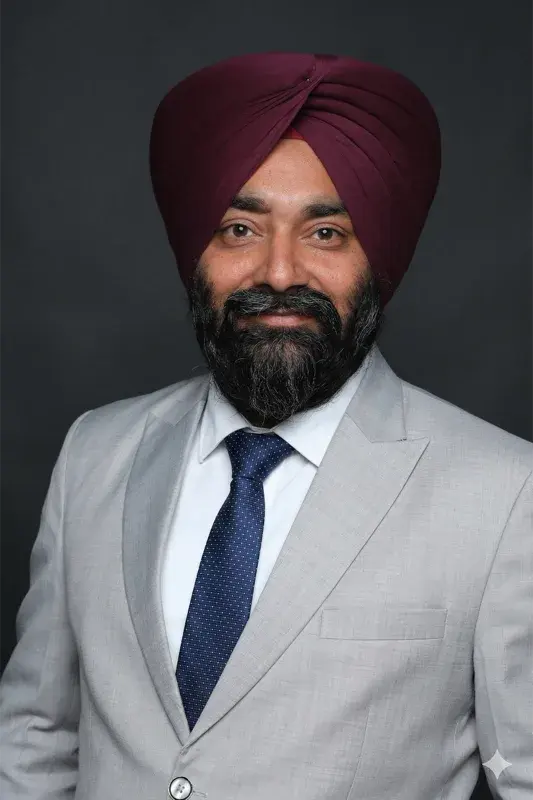
Gurvinder Singh, RCIC
Gurvinder is a Regulated Canadian Immigration Consultant and the founder of 5K Immigration Services in Surrey, BC. Before immigration consulting he worked in software engineering, and he went through Canadian immigration himself. More about Gurvinder
This article is general information, not legal advice. Rules change; check IRCC’s website or book a consultation for advice on your situation.